
The iGaming Edge: Mastering Casino, Betting, Slots & Poker
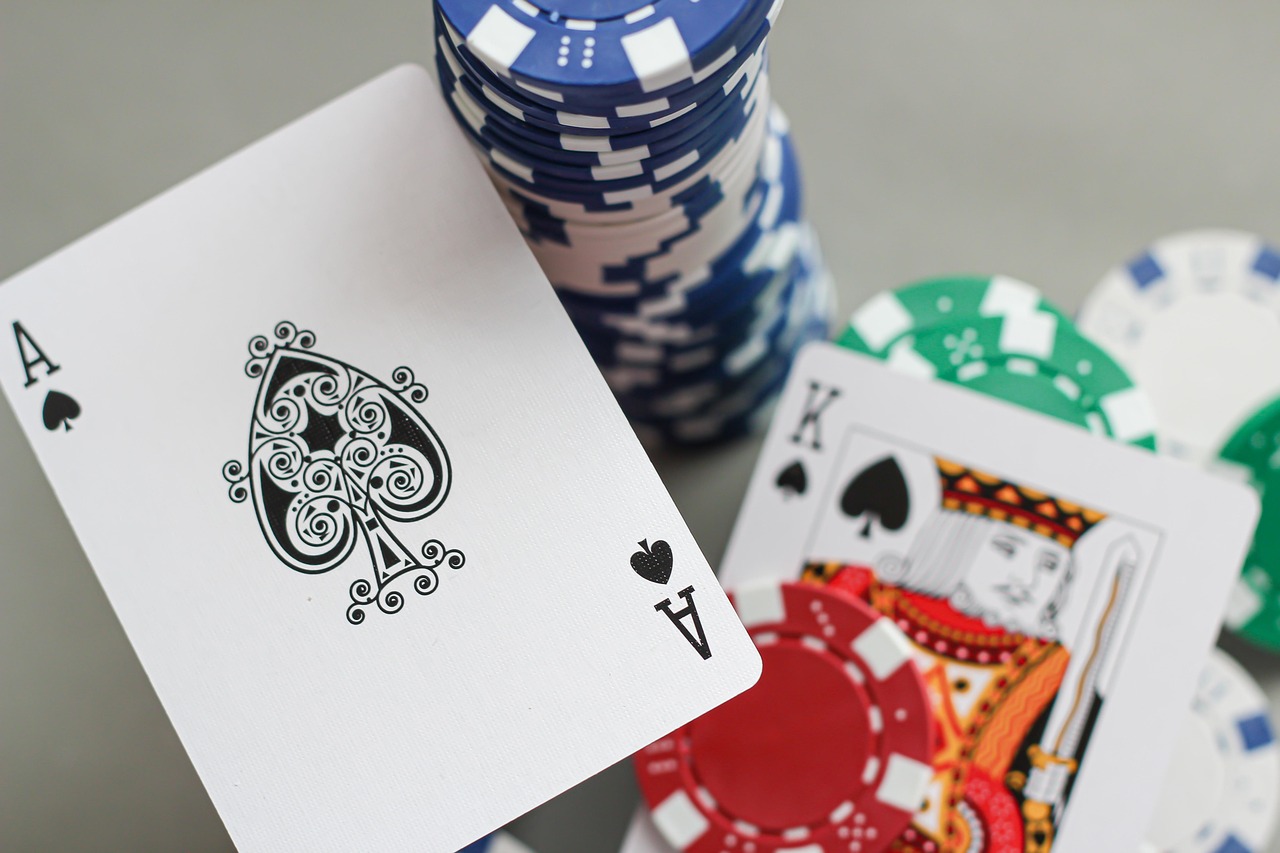
You’ve probably heard the pitch: online casino games are rigged, sports betting is a fool’s errand, and poker is just luck. That’s the noise from people who never bothered to learn the mechanics. The truth is simpler and far more interesting. iGaming—online casinos, sportsbooks, slots, and poker—is a skill‑based ecosystem hiding behind a curtain of flashing lights and odds. Pull the curtain back, and you’ll find mathematical edges, psychological patterns, and strategies that separate the casual player from the sharp. Whether you’re spinning slots for fun or grinding micro‑stakes poker, understanding these four pillars changes everything.
1. Casino Games: House Edge Isn’t a Death Sentence
Every casino game has a built‑in house edge. That’s not a bug; it’s the business model. But not all edges are created equal. Blackjack with basic strategy cuts the house edge to around 0.5%. European roulette (single zero) sits at 2.7%, while American roulette (double zero) jumps to 5.26%. Baccarat banker bet hovers near 1.06%. The difference between a 0.5% and a 5% edge over hundreds of hands is the difference between a slow bleed and a rapid one. Smart players pick games with low edges and combine them with bonuses that effectively flip the advantage. For example, a 100% deposit match up to $200 with a 30x wagering requirement might seem generous, but do the math: you’d need to wager $6,000 to clear it. If the game’s edge is 2%, your expected loss is $120—more than the bonus. That’s why reading terms matters more than chasing the biggest headline offer. Readers looking for specifics may like สล็อต.
2. Sports Betting: Line Shopping and Closing Value
Betting on sports isn’t about picking winners. It’s about finding mispriced odds. Two sportsbooks might offer -110 on one side and -105 on the other. Over 100 bets, that 5‑cent difference is huge. Professional bettors often maintain accounts at five or more books solely to shop lines. Another key concept: closing line value (CLV). If you bet a team at +150 and the line closes at +120, you got value—even if the bet loses. Consistently beating the closing line is the single best predictor of long‑term profitability. Here’s a simple routine:
- Track opening lines and sharp moves (usually from Pinnacle or Circa).
- Bet early when soft books lag behind.
- Avoid parlays unless you’re exploiting correlated outcomes (e.g., a team’s moneyline and over).
- Specialize in one or two leagues—NFL and NBA are the most efficient, so edges are smaller but more reliable. Less popular leagues (WNBA, lower‑tier soccer) often have sloppier lines.
Bankroll management is non‑negotiable. Flat betting 1‑2% of your roll per play keeps you alive through variance. Chasing losses with 10% bombs? That’s how you become a statistic.
3. Slots: Volatility, RTP, and the Myth of Hot Machines
Slots are the purest form of gambling—no skill, just math. But that doesn’t mean all slots are equal. Two numbers matter: RTP (return to player) and volatility. RTP is the theoretical payback over millions of spins. A 96% RTP slot loses $4 for every $100 wagered, on average. Volatility describes how those losses and wins are distributed. Low‑volatility slots pay small amounts frequently; high‑volatility slots can go 200 spins without a win, then hit a 5,000x jackpot. Your choice depends on your bankroll and patience. A $50 bankroll on a high‑volatility slot will likely bust before a bonus. The same $50 on a low‑volatility slot gives hours of play but smaller peaks. And forget “hot” or “cold” machines—each spin is independent. The RNG doesn’t remember your last loss. However, you can exploit slot bonuses. Free spins with low wagering (10x‑20x) on high‑RTP slots are gold. Always check the max cashout—some bonuses cap winnings at $100, which kills the value.
4. Poker: The Only Game Where You Play the Player
Poker is unique in iGaming because your edge comes from opponents’ mistakes, not the house. The house takes a rake (5% of pot, capped at $3 in most micro‑stakes games), but a skilled player can still win. The key is table selection. A table full of tight, aggressive regulars is a grind. A table with two calling stations and one maniac is a goldmine. Use a HUD (hold’em manager) if allowed, but don’t rely on it at anonymous tables. Focus on position: acting last gives you more information. Play tight from early position, loosen up on the button. C‑bet (continuation bet) 60‑70% of flops heads‑up, but check‑raise more against aggressive opponents. Bankroll rules: 20 buy‑ins for cash games, 50‑100 buy‑ins for tournaments. If you play $0.10/$0.25 no‑limit hold’em, you need at least $500. Under‑rolled players make scared money decisions—and scared money never wins.
5. Cross‑Discipline Lessons: What Slots Teach Poker Players
You might think slots and poker have nothing in common. Actually, slots teach you about variance. A poker player who understands that 100,000‑hand sample sizes are needed to judge win rate will also understand that 50 slots spins mean nothing. Similarly, sports bettors who grind CLV can apply the same discipline to poker—tracking every session, noting EV decisions, not just results. The best iGaming players borrow from all four verticals. They know that casino bonuses are just +EV puzzles, that sports betting is about line value, that slots are entertainment with a known cost, and that poker is a skill game with a long horizon. That cross‑pollination separates them from the recreational crowd.
The Bottom Line: Play Smart, Not Just Often
iGaming isn’t a get‑rich‑quick scheme. It’s a set of games with different edges, different skills, and different psychologies. If you love slots, pick low‑volatility titles with high RTP and clear bonuses. If you bet sports, shop lines and track CLV religiously. If you play poker, study ranges and bankroll management. And if you play casino games, stick to blackjack or baccarat and milk the comps. The house always has an edge in the long run—but the smart player minimizes it, exploits promotions, and treats every session as a data point. That’s not gambling. That’s iGaming with a plan.
